

AI-Driven Automation Tools
Resupply, Rental, and POS Workflows
Delivery Management and Mobile App


A side-by-side look at what DME software actually needs to do -- not just what it costs.
Most comparisons of DME software line up Brightree, NikoHealth, WellSky's CareTend or Bonafide, and TIMS or Fastrack on install base, price, and a features checklist. That's a reasonable starting point, but it misses where the real day-to-day differences show up: how a document becomes an order, how an order becomes a clean claim, and how resupply and capped rentals get tracked once a patient is on service.
Most established platforms, Brightree included, still treat intake, order entry, and billing as separate modules that staff bridge by hand -- opening a fax, reading it, and typing what they read into the next screen. Curasev's AI stack connects those steps: Seva AI extracts data from incoming CMNs, SWOs, and prescriptions, sales order orchestration applies eligibility and coding automatically, and billing claims are scrubbed against payer rules before submission.
This page compares platforms on four dimensions: intake and order creation, billing and claims automation, resupply and capped rental tracking, and pricing structure. Weigh it against your own claim volume, payer mix, and current workflow -- see our full DME software buyer's guide for the broader evaluation criteria.


Brightree, NikoHealth, WellSky, and TIMS all cover the core DME workflow -- intake, order creation, billing, delivery, and resupply -- but they differ in how connected those steps are and how much still depends on staff re-keying data between screens. The sections below compare intake and order creation, billing and claims automation, resupply and capped rental tracking, and pricing structure. Evaluate each against your own document volume, payer mix, and current workflow rather than a vendor's feature list alone.

Most established platforms, Brightree included, still depend on staff opening faxes and portal uploads and keying what they read into the system. Seva AI reads incoming CMNs, SWOs, and prescriptions directly, extracts the structured data, and routes clean orders into the sales order queue without a person retyping anything -- exceptions and low-confidence documents are flagged for review instead of blocking the queue.
Claims automation maturity varies widely across legacy platforms, from templated scrubbing rules to largely manual review. Curasev's billing engine generates and scrubs claims against payer rules before submission, with denials routed back with the specific reason rather than a generic rejection code -- the goal is fewer manual touches per claim, not just a faster billing screen.
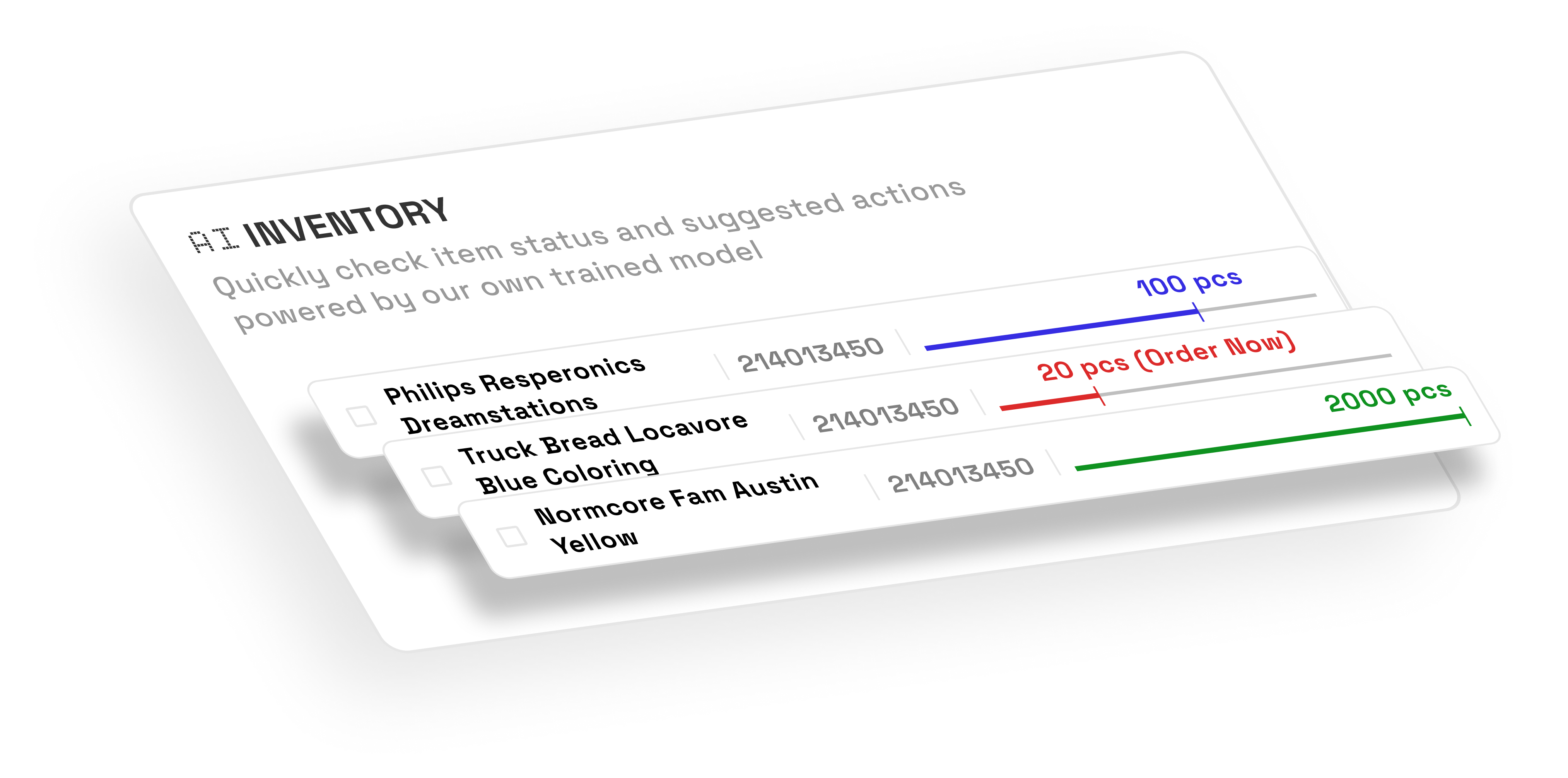
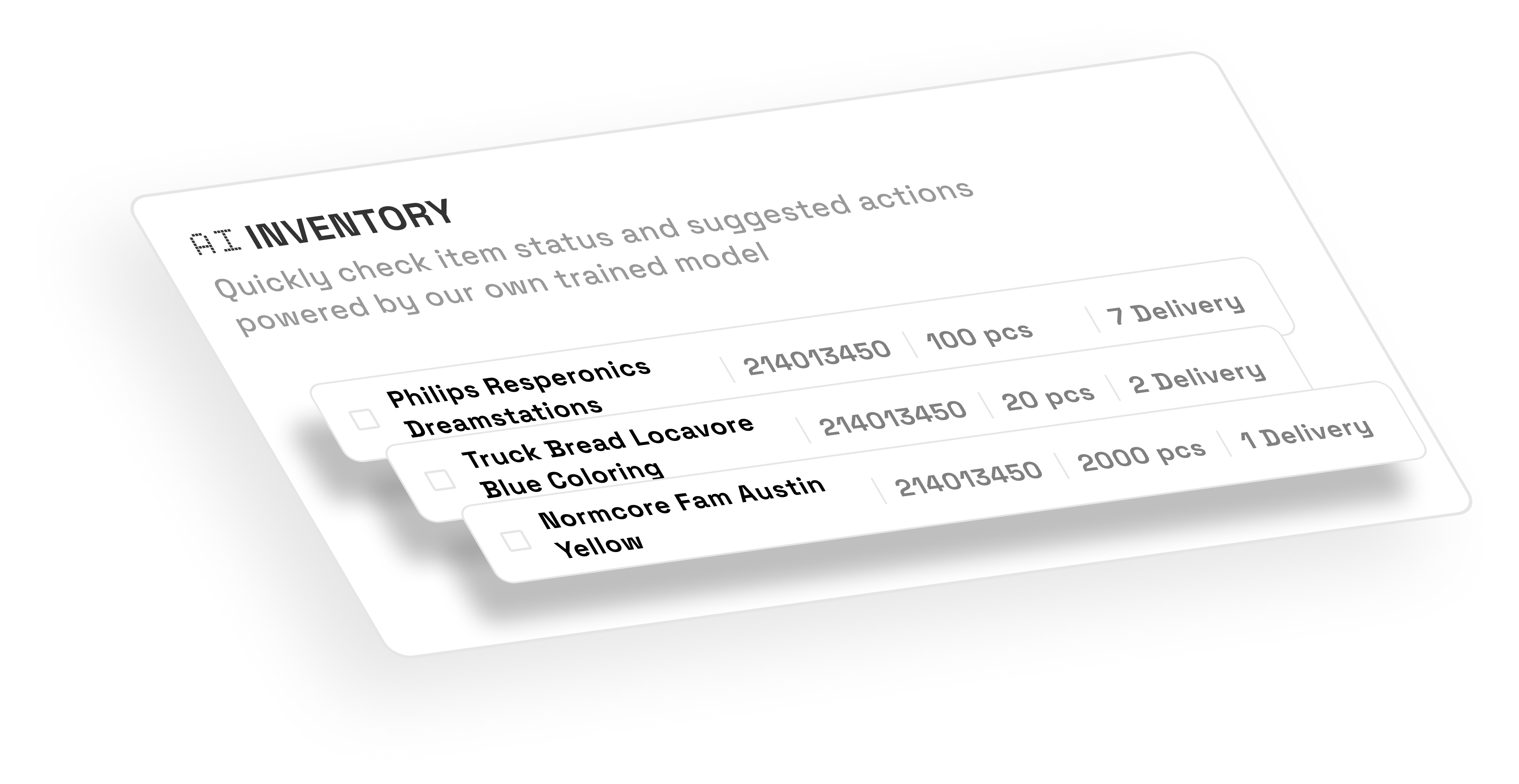
Manual or spreadsheet-adjacent tracking of capped rental cycles and resupply cadences is a common source of phantom inventory and missed recurring revenue. Automated resupply tracking and capped rental status are built into Curasev's core workflow rather than a bolt-on report, alongside rental and inventory management that stays current as equipment moves.
Per-user and per-module pricing is one of the most common complaints DME providers raise about legacy platforms, since it makes cost hard to forecast as headcount changes seasonally. Curasev structures pricing around your operation -- claim and order volume -- rather than seat count. On migration: switching platforms means moving patient records, active rentals, resupply schedules, and open claims without dropping anything mid-cycle, so ask any vendor you're comparing exactly how they handle in-flight data during cutover.
Stop forcing your team to work around outdated software. Our end-to-end platform is built to mirror your specific HME workflow—from the first referral intake to the final collection.


.png)

