


AI-Driven Automation Tools
Resupply, Rental, and POS Workflows
Delivery Management and Mobile App


Brightree pricing is quote-based. Know what to ask before you compare.
Searching for Brightree pricing usually ends the same way: no price list, a "contact vendor" button, and a handful of third-party directories that can't tell you much more. That is not unusual for enterprise DME and HME software, but it makes budgeting and vendor comparison harder than it should be.
Public software directories list Brightree's pricing as quote-based and note that no free trial is available. They don't publish a starting price or a pricing model, and some reviewers have noted that add-ons can be priced separately. Anything beyond that, including a specific per-user or per-module figure, has to come from Brightree in writing. We won't guess at numbers here, and you should be cautious of any page that does.
What you can do is control the process. This page covers what a complete quote should itemize, the costs that tend to get missed, and how to compare Brightree against alternatives such as Curasev on total cost of ownership instead of a headline monthly figure. If you are earlier in the process, our DME software buyer's guide and vendor comparison cover the broader evaluation.


Brightree does not publish a price list. Third-party directories show it as contact-vendor pricing with no free trial, and none of them list a starting price or a verified pricing model. If you see a specific dollar figure for Brightree on a review site, treat it as an estimate until you have a written quote. Your actual price will depend on your modules, user count, volume, and contract terms.

Ask for every line item in writing: the base platform, each module you need (billing, inventory, resupply, mobile delivery, patient portal, reporting), user or seat counts by role, implementation and data conversion, training, clearinghouse and EDI fees, support tiers, and renewal terms. A quote that bundles these into one number makes it impossible to compare vendors or to model what happens when your business changes.
The subscription is rarely the whole story. Budget for implementation and migration of patient records, active capped rentals, resupply schedules, and open claims; payer and clearinghouse connectivity; add-on modules priced separately; mobile and delivery licensing; custom report building; training for new hires; and any fees tied to exporting your data if you leave. Compare first-year and three-year cost, not just the monthly rate.
Per-user and per-module structures are a frequent concern for DME providers because headcount shifts with seasonality, new locations, and intake volume. Curasev structures pricing around your operation, such as claim and order volume, rather than seat count. Ask any vendor, including Curasev, how the price changes when you add billers, intake staff, or drivers, and what happens at renewal.
Give every vendor the same inputs: monthly order and claim volume, locations, users by role, payer mix, the HCPCS categories you bill, capped rental and resupply needs, and what has to migrate. Then compare on scope, not price alone. A cheaper quote that excludes intake automation or claims automation may cost more once the manual work it leaves behind is counted.
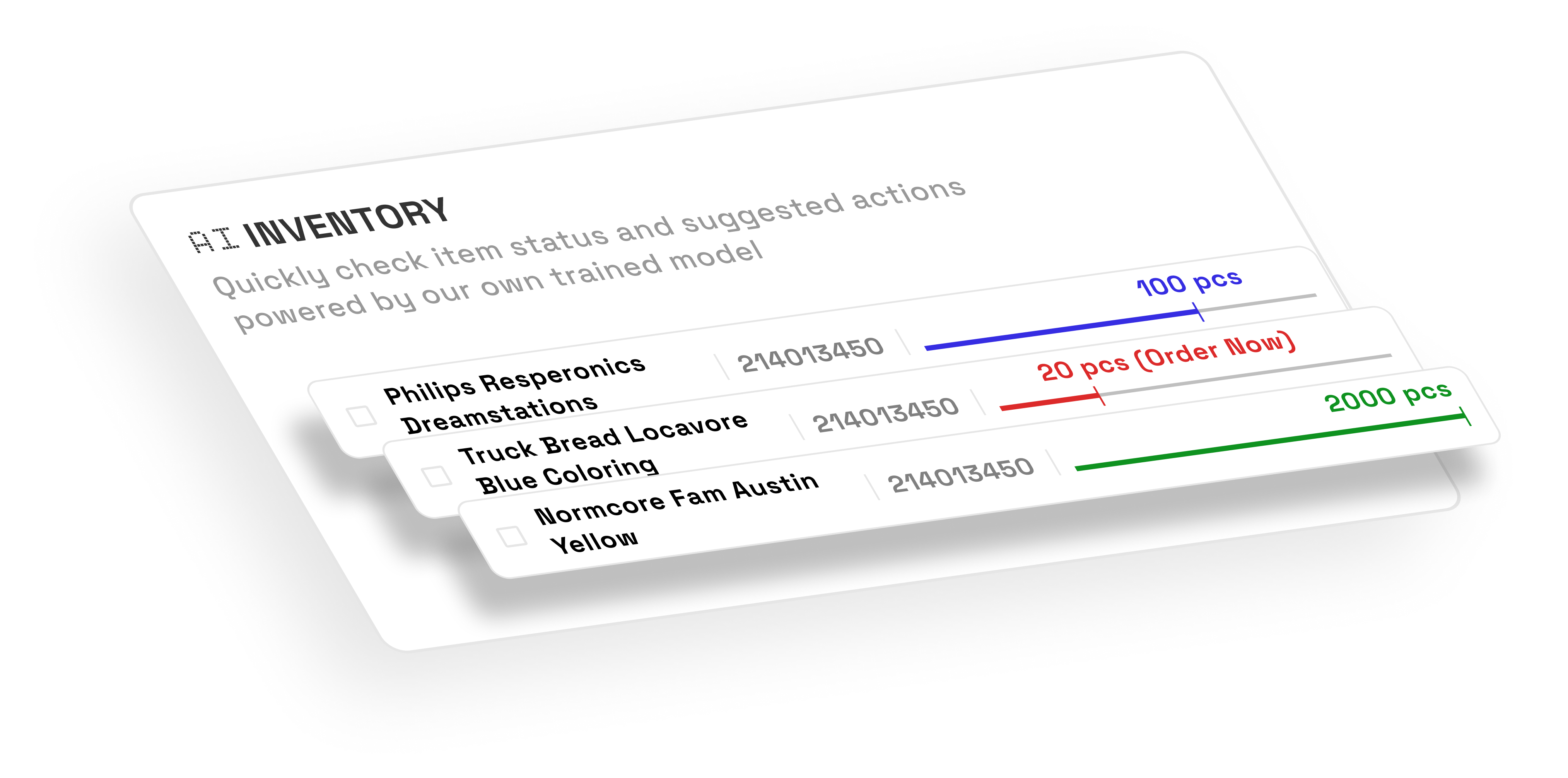
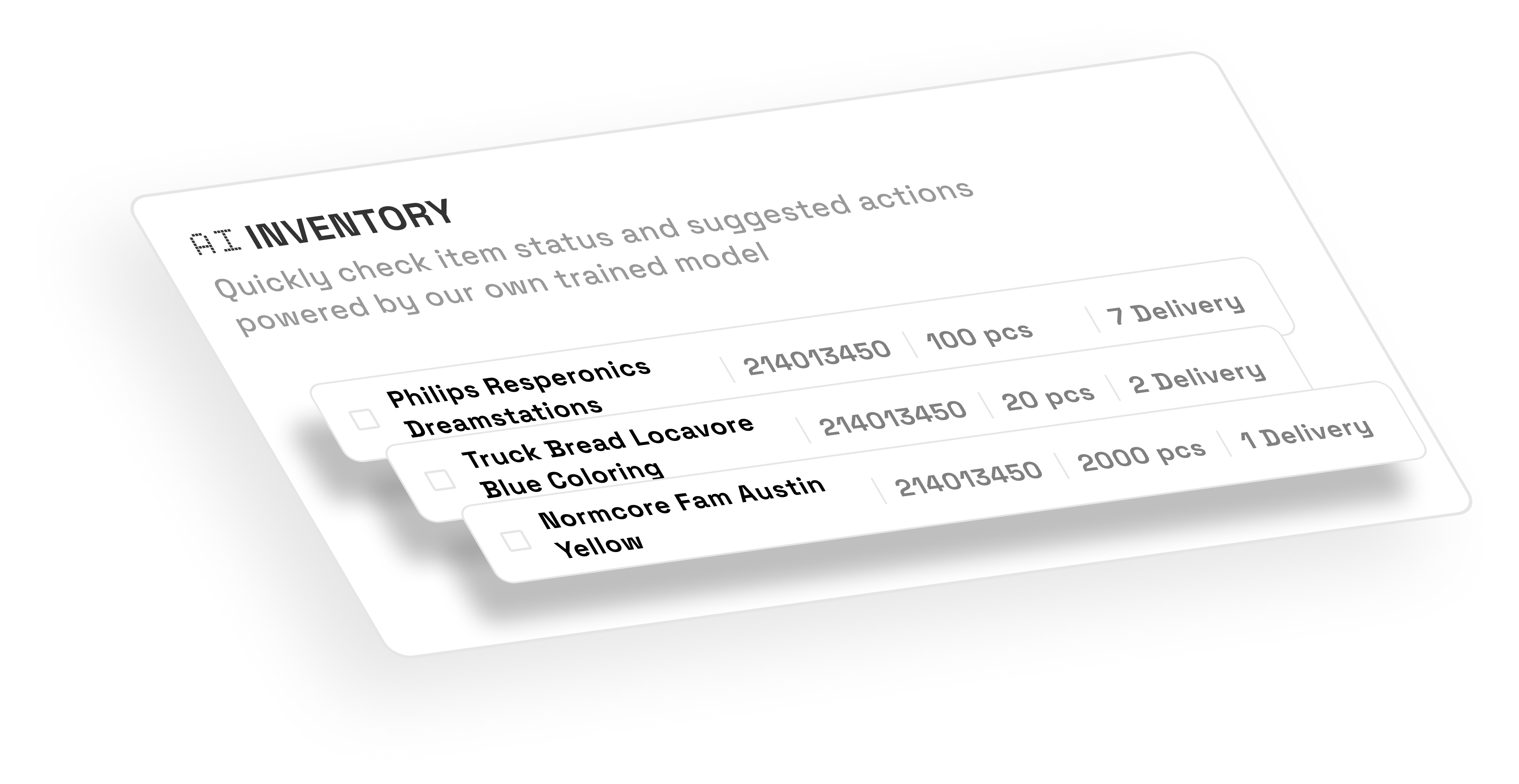
Stop forcing your team to work around outdated software. Our end-to-end platform is built to mirror your specific HME workflow—from the first referral intake to the final collection.


.png)

