


AI-Driven Automation Tools
Resupply, Rental, and POS Workflows
Delivery Management and Mobile App


A buyer's guide to what actually predicts HME software fit -- not a templated top-10 list.
Search "best HME software" and the results are dominated by programmatic content -- pages built to populate a "Top 10" list rather than to actually evaluate anything, generated from a template and refreshed on a schedule rather than researched. None of them ask the questions that actually predict fit for a home medical equipment operation: how resupply gets triggered, whether delivery produces its own proof, whether patients have a real self-service option, and how rental and respiratory equipment get tracked once they leave the warehouse.
"HME" and "DME" describe overlapping equipment, but the term HME leans toward the recurring, home-based side of the business -- oxygen, CPAP, and other respiratory equipment, mobility rentals, and the resupply orders that repeat monthly rather than a one-time capital purchase. Software built for that side of the business has to handle cadence and recurring revenue, not just a single clean claim.
This guide walks through the criteria that matter for that side of the business, and where relevant, where Curasev's platform -- automated resupply, mobile delivery (Curapro), and patient portal software -- changes what's possible on each one. If you're evaluating the DME side of the business specifically -- intake, order orchestration, and billing -- see our companion buyer's guide to DME software. Weigh both against your own payer mix and volume rather than a template-generated score; the right fit depends on your operation, not a "Top 10" list.


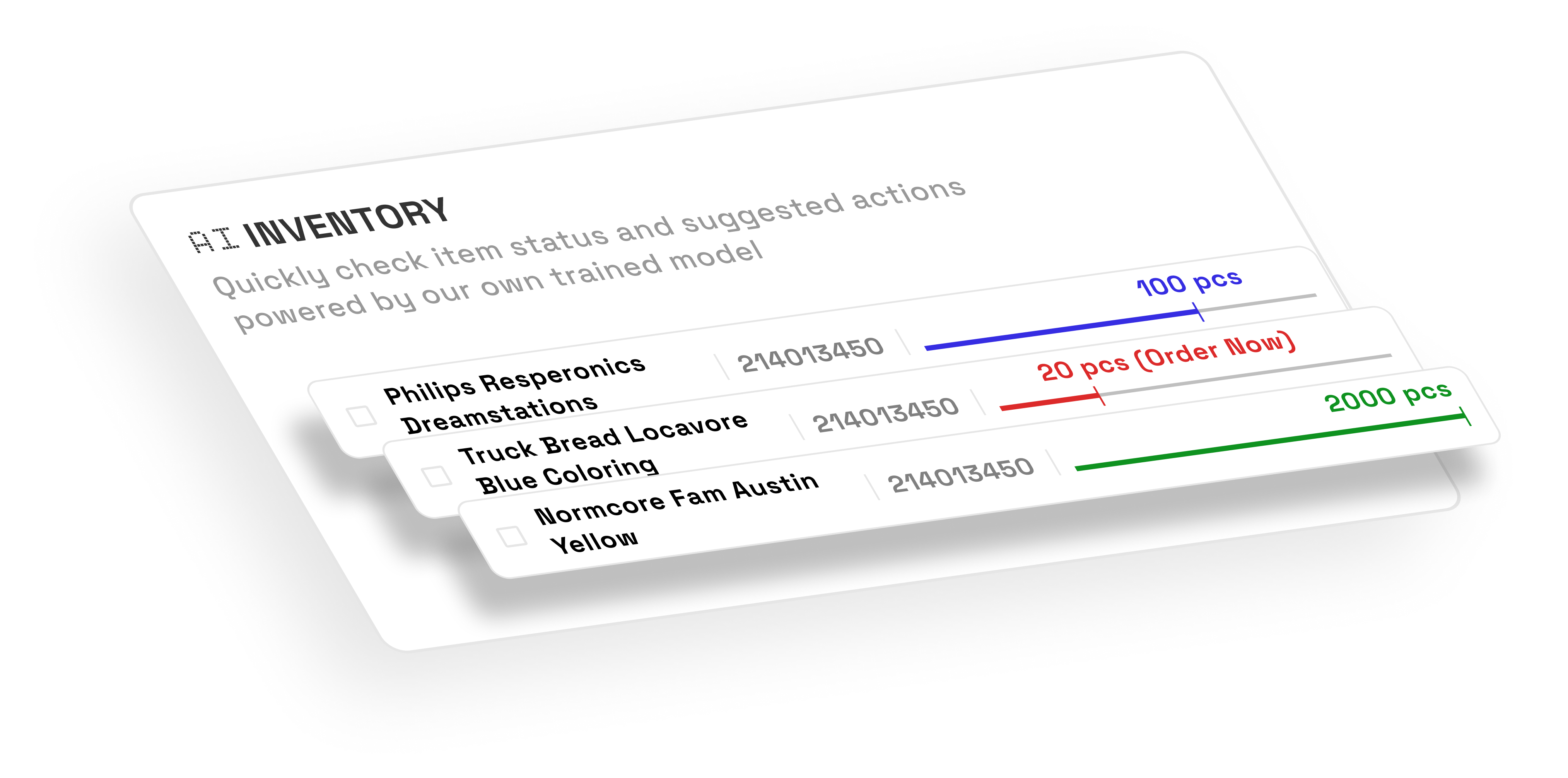
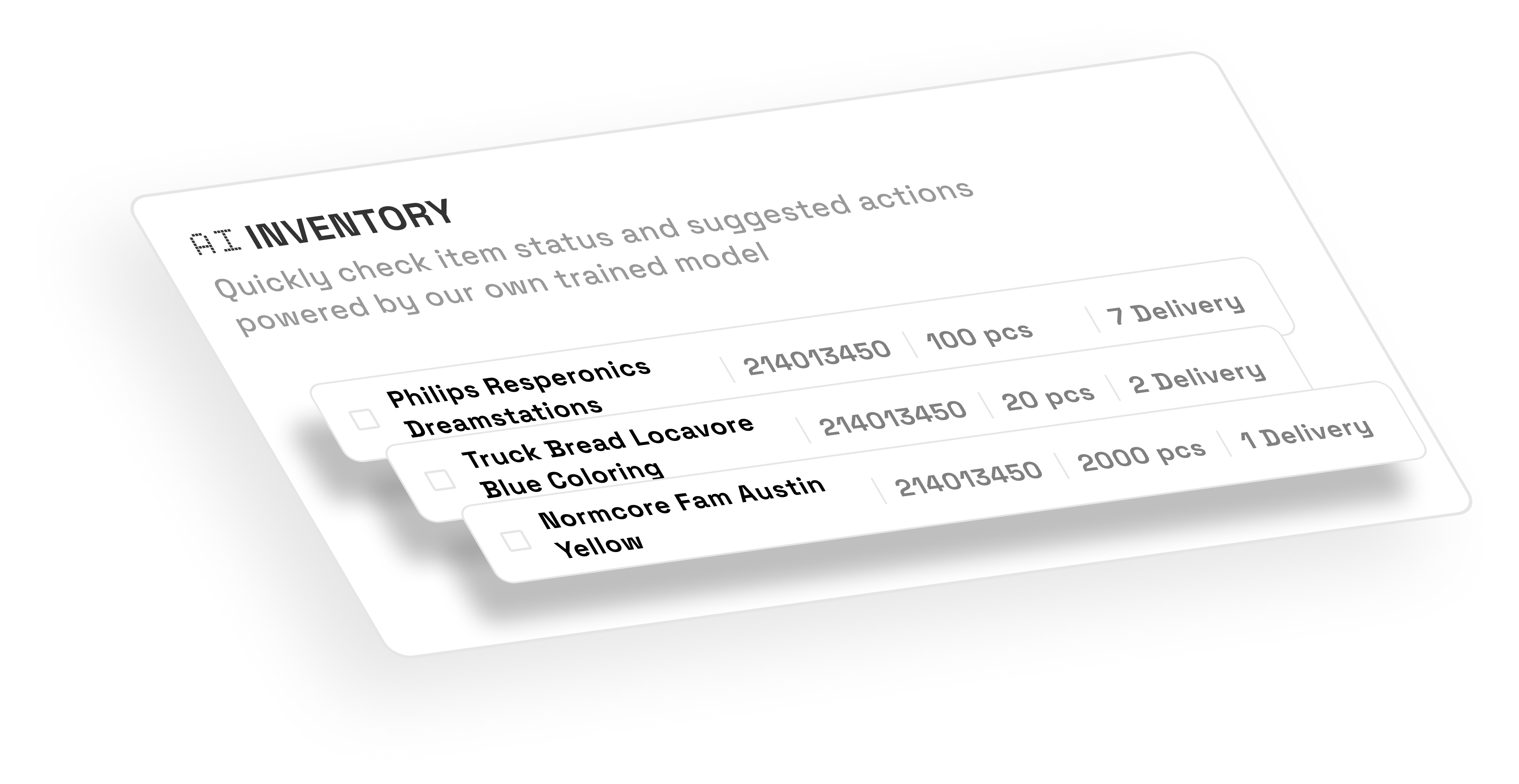
Recurring supplies -- CPAP masks and filters, ostomy and wound care supplies, diabetic testing strips -- are where a large share of HME revenue and patient adherence live, and where legacy platforms lean hardest on manual work: a biller or CSR calling down a list to ask what a patient needs this month. Curasev's automated resupply engine tracks usage against each patient's order history and initiates outreach on a predictable cadence, so resupply revenue doesn't depend on someone remembering to make the call.

Proof of delivery is one of the most common documentation gaps behind denied claims, and it's usually a paperwork problem, not a clinical one -- a driver's signature capture that never made it back to billing. Curapro, Curasev's mobile delivery app, captures proof of delivery, timestamps, and signatures in the field and routes it directly into the billing record, instead of leaving it in a driver's glovebox until someone asks for it.
HME patients call in for the same handful of things repeatedly: order status, resupply requests, and billing questions. Without a self-service option, every one of those becomes a phone call an already-stretched intake or billing team has to answer. Curasev's patient portal gives patients a direct channel for order status and resupply requests, reducing the volume of routine calls competing with intake and billing work for staff time.
Oxygen concentrators, CPAP devices, and mobility equipment move through capped rental cycles that have to be tracked at the serial-number level for years, not months -- which unit is with which patient, where it sits in its rental or payment cap, and when it's due for pickup, cleaning, and redeployment. Curasev's rental and inventory tracking keeps that at the platform level instead of a spreadsheet a single employee maintains from memory.
HME providers carry active rentals, open resupply schedules, and equipment already deployed in patients' homes -- none of which can simply pause during a software switch. Curasev's implementation team maps existing rental status, resupply cadence, and equipment location before cutover, so a live rental or a scheduled resupply order doesn't fall through during the transition.
Stop forcing your team to work around outdated software. Our end-to-end platform is built to mirror your specific HME workflow—from the first referral intake to the final collection.


.png)

