


AI-Driven Automation Tools
Resupply, Rental, and POS Workflows
Delivery Management and Mobile App


Two cloud platforms built for DME. Compare them on your own workflows, not their marketing.
Search for Curasev vs NikoHealth and the first result is a NikoHealth page. It says NikoHealth offers better value than Curasev, but it does not say what Curasev does or how the two platforms differ. That leaves an operator with nothing to evaluate.
This page is written by Curasev, so read it as one vendor's view. We have kept what we say about NikoHealth to what the company states publicly and to themes that recur in published reviews, and we say where the public evidence is thin. Both platforms are cloud-based, both are built specifically for DME and HME suppliers, and both now market AI. The real differences are in where that AI sits in the workflow, how pricing behaves as you grow, and how well each one handles the parts of your operation that are hardest to get right.
For the wider field, see our DME software comparison and DME software buyer's guide. If you are also weighing the incumbent, see Brightree alternatives.


NikoHealth markets a cloud platform that bundles billing and revenue cycle, inventory, ordering, a patient record, and a mobile delivery app with route planning and electronic proof of delivery. It leans on simple pricing and fast migration in its positioning, and it targets suppliers moving off older systems. Its public review footprint is still small, so treat patterns in those reviews as things to test rather than verdicts. Curasev is designed around one workflow from referral to paid claim, with AI applied where DME operations lose the most time: reading incoming documents, building a clean sales order, and catching claim errors before submission. If delivery logistics is your main pain point, weigh that heavily; if intake and order handoffs are, weigh those instead.

Both vendors now describe AI for incoming faxes, so the useful question is what happens after a document arrives. Seva AI reads referrals, CMNs, SWOs, and prescriptions, extracts the structured data, and flags missing or low-confidence fields for review instead of holding up the queue. Sales order orchestration then checks eligibility and applies HCPCS codes and modifiers, so the order reaches fulfillment ready to bill. In a demo, send both vendors a batch of your real faxed referrals, including a poor-quality scan and an incomplete SWO, and ask them to show extraction, validation, and exception handling live.
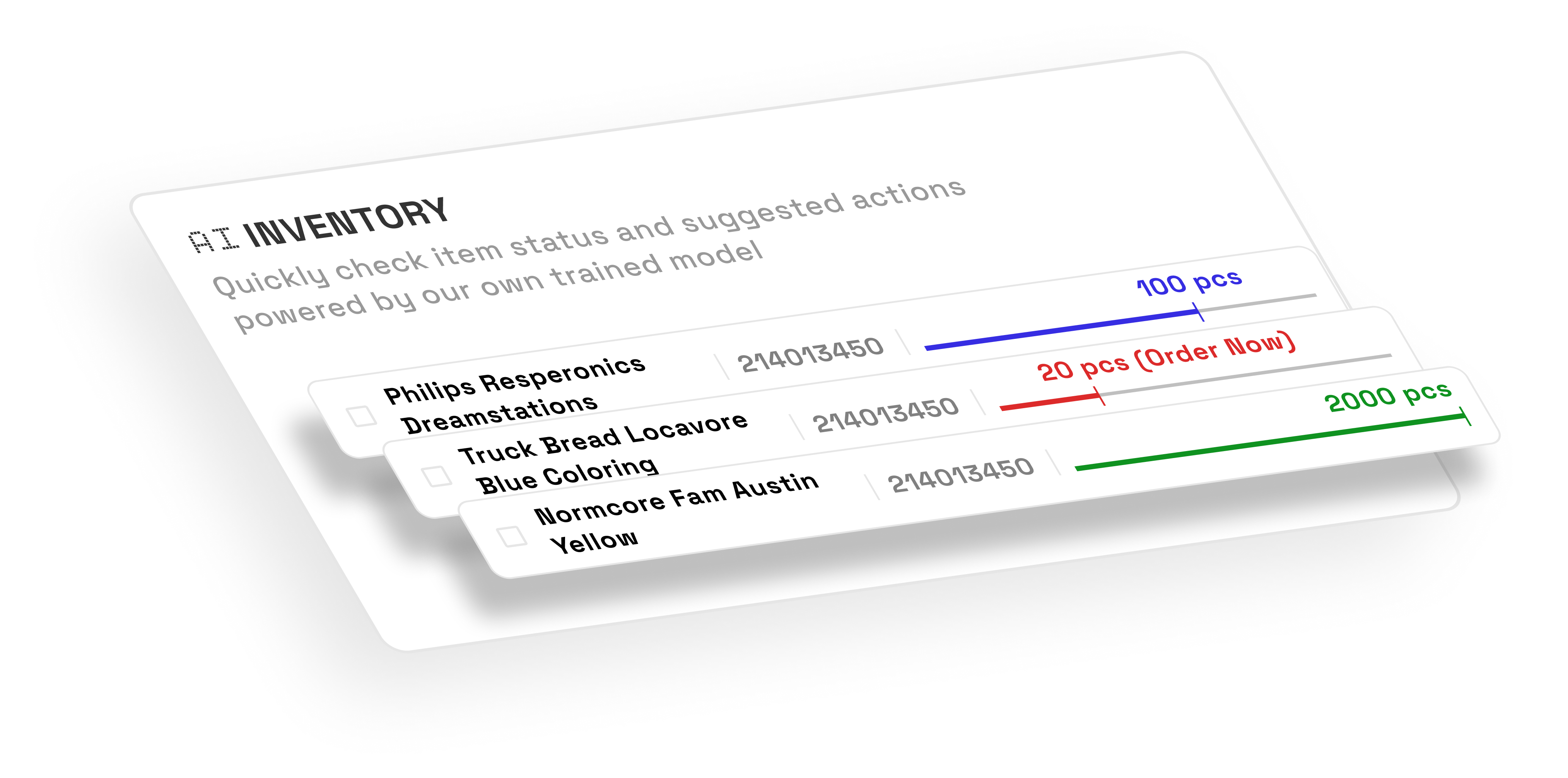
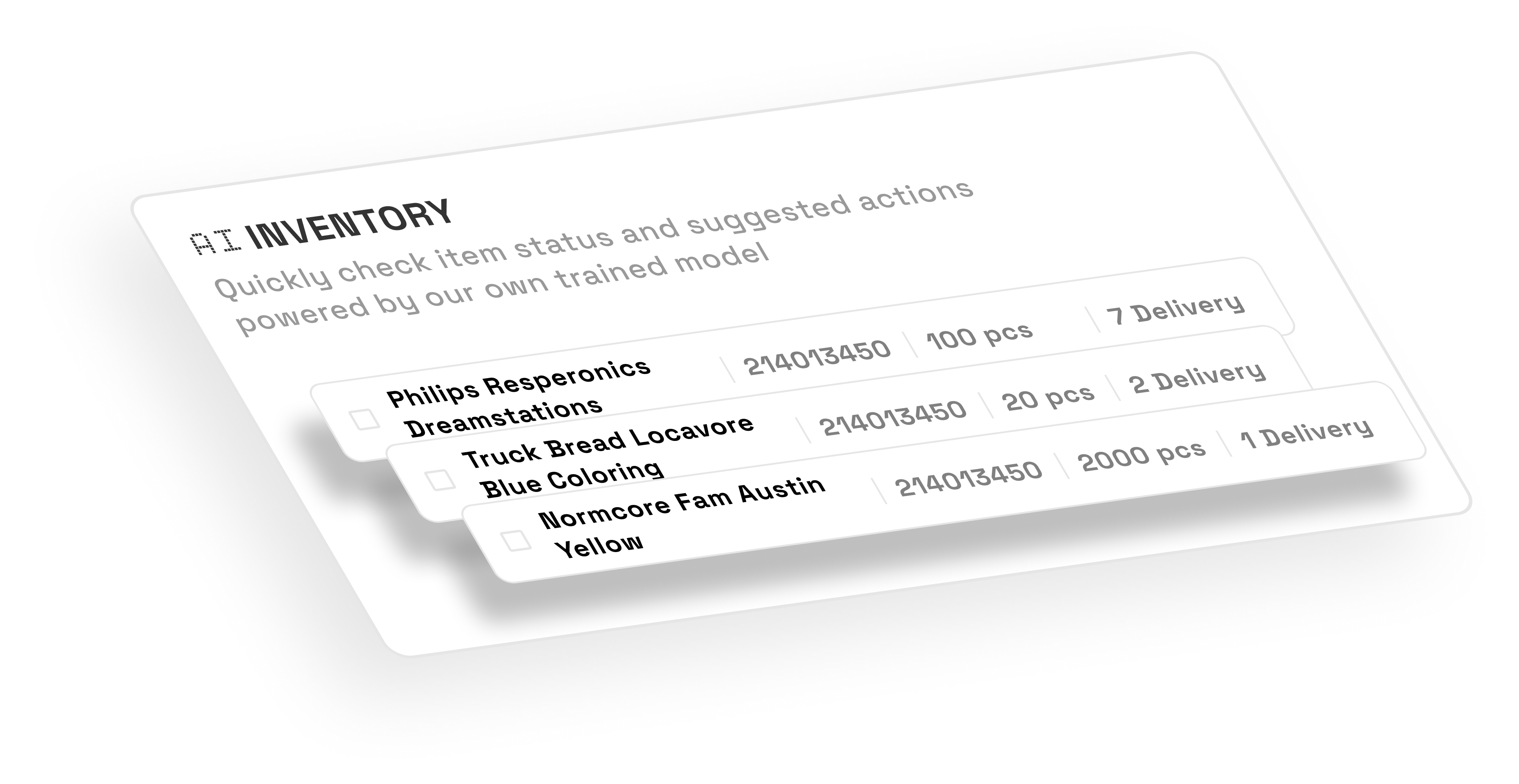
NikoHealth markets an AI voice feature for resupply outreach and a mobile app for drivers. Published reviews mention resupply handling for patients on longer cycles, such as six-month schedules, and visibility into drop-ship inventory. Curasev's automated resupply schedules recurring orders against payer frequency rules and feeds them into the same order and billing workflow as new referrals. Rental and inventory management tracks capped rentals through the 13-month cycle, and the Curapro delivery app captures proof of delivery in the field. Put a six-month resupply patient, a capped rental, and a drop-ship order in both demo scripts.
NikoHealth describes its pricing as a flat monthly platform fee or a percentage of collections, with core modules bundled. Curasev scopes pricing to your operation rather than your seat count, so cost does not move every time seasonal headcount does. Neither publishes a full price list. A percentage-of-collections model can look inexpensive at low volume and cost noticeably more as revenue grows, so model every quote at next year's expected volume as well as today's. Compare total cost of ownership: every module you need, implementation and data conversion, training, clearinghouse and eligibility transaction fees, e-fax volume, and renewal and notice terms. Our Brightree pricing guide lists what a complete quote should itemize, and the same questions apply here.
Both vendors say migration is straightforward. Ask each to prove it on your data. Curasev's implementation team maps patient, payer, and ordering provider records before cutover, along with active capped rentals mid-cycle so the rental month does not reset, open prior authorizations, CMN and SWO documentation, resupply schedules, and serialized inventory. Most suppliers work open A/R down on the legacy system while new orders start in Curasev. Get the data mapping, cutover date, and parallel-run period in writing from any vendor, and ask for references from suppliers who made the same move at a similar size. Results vary by volume, payer mix, and implementation.
Stop forcing your team to work around outdated software. Our end-to-end platform is built to mirror your specific HME workflow—from the first referral intake to the final collection.